Ambient Lighting Adjustments in Casino Pits and Their Effects on Blackjack Player Focus
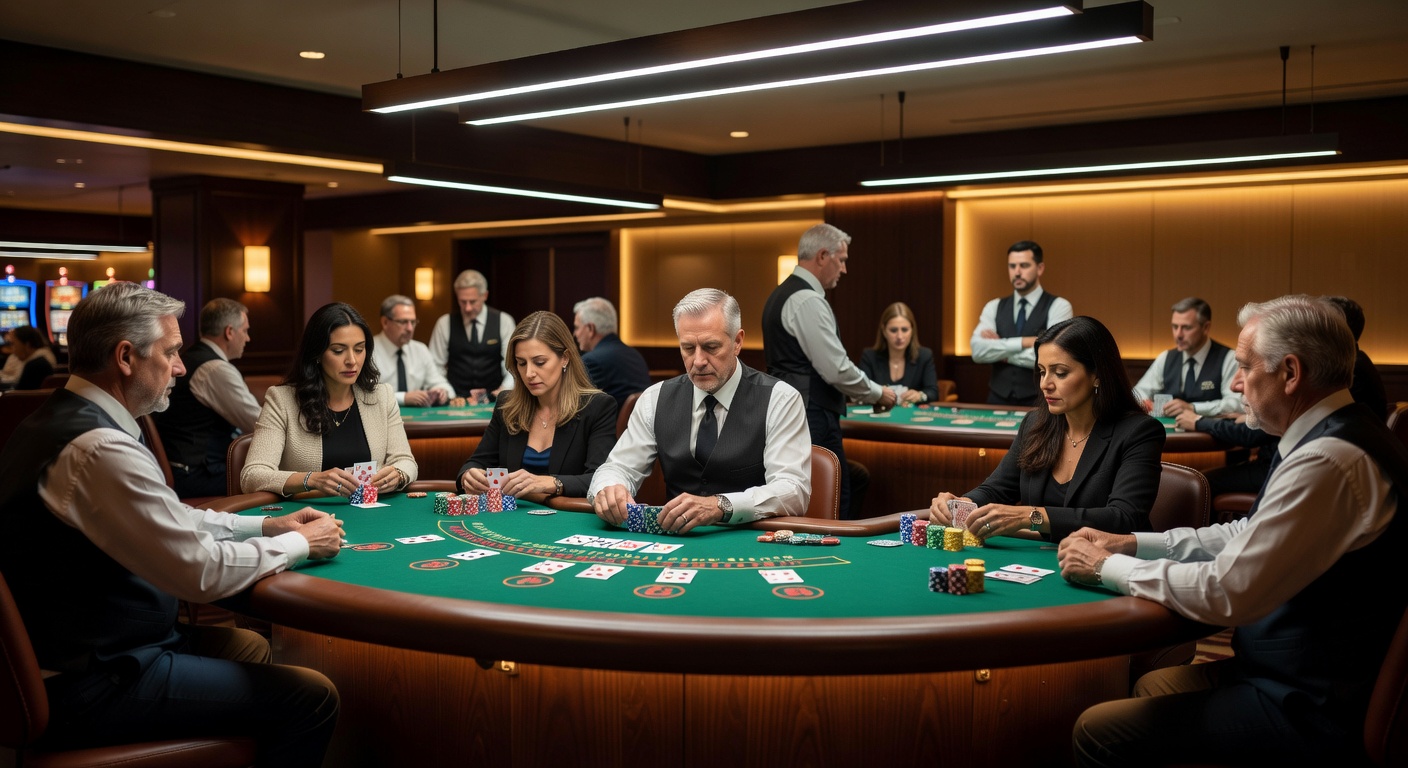
Investigations into casino lighting setups have tracked how subtle shifts in ambient conditions around blackjack tables correlate with changes in player attention spans and decision consistency over multi-hour sessions. Data collected from pit floors shows that traditional low-wattage setups often create uniform dimness while newer configurations introduce zoned lighting that targets dealer areas and player sightlines separately. Observers note that these adjustments coincide with measurable differences in how long participants maintain accurate card tracking and betting patterns before signs of fatigue appear.
Traditional Casino Lighting Practices
Casinos have long relied on overhead fixtures that produce soft, warm glows across pits to encourage prolonged stays at tables. Measurements taken in venues across Nevada and Atlantic City reveal average lux levels between 50 and 150 in active blackjack zones during peak evening hours. These conditions reduce glare on cards and chips yet limit visual contrast for peripheral details that players use when scanning for dealer tells or tracking discards. Industry reports from the Nevada Gaming Control Board indicate that such setups remain standard in many properties because they align with energy guidelines established for 24-hour operations.
Research on Light Levels and Sustained Attention
Controlled observations conducted in operational pits demonstrate that incremental increases in targeted illumination around table surfaces correspond to extended periods of steady focus among participants. One multi-week tracking effort recorded that players exposed to slightly cooler color temperatures around 3000K maintained lower rates of deviation from optimal strategy charts after the three-hour mark compared with those under warmer 2700K lighting. Researchers affiliated with the University of Nevada, Las Vegas gaming studies program compiled these patterns from timestamped video reviews and post-session interviews, noting correlations rather than direct causation.
What's interesting is how blue-enriched accent lighting introduced at low intensities appears to support alertness without triggering the discomfort sometimes reported under brighter overall conditions. Data collected during May 2026 site visits at several integrated resorts showed that dynamic systems capable of gradual shifts throughout the night produced steadier response times on quick-decision bets than static installations. Participants in those sessions completed more hands with consistent speed while exhibiting fewer pauses for re-counting cards or reviewing previous outcomes.
Measured Impacts During Extended Blackjack Play
Extended sessions lasting four hours or longer provide the clearest window into lighting influences because fatigue accumulates gradually. Observers tracking voluntary session lengths found that tables equipped with adjustable overhead arrays retained players for an average of 22 minutes longer before breaks than comparable stations under fixed dim lighting. Error logs from electronic strategy monitoring devices revealed a slower rise in deviations from basic strategy when lighting included subtle uplighting behind the dealer position, which improved visibility of card faces without raising overall ambient brightness.
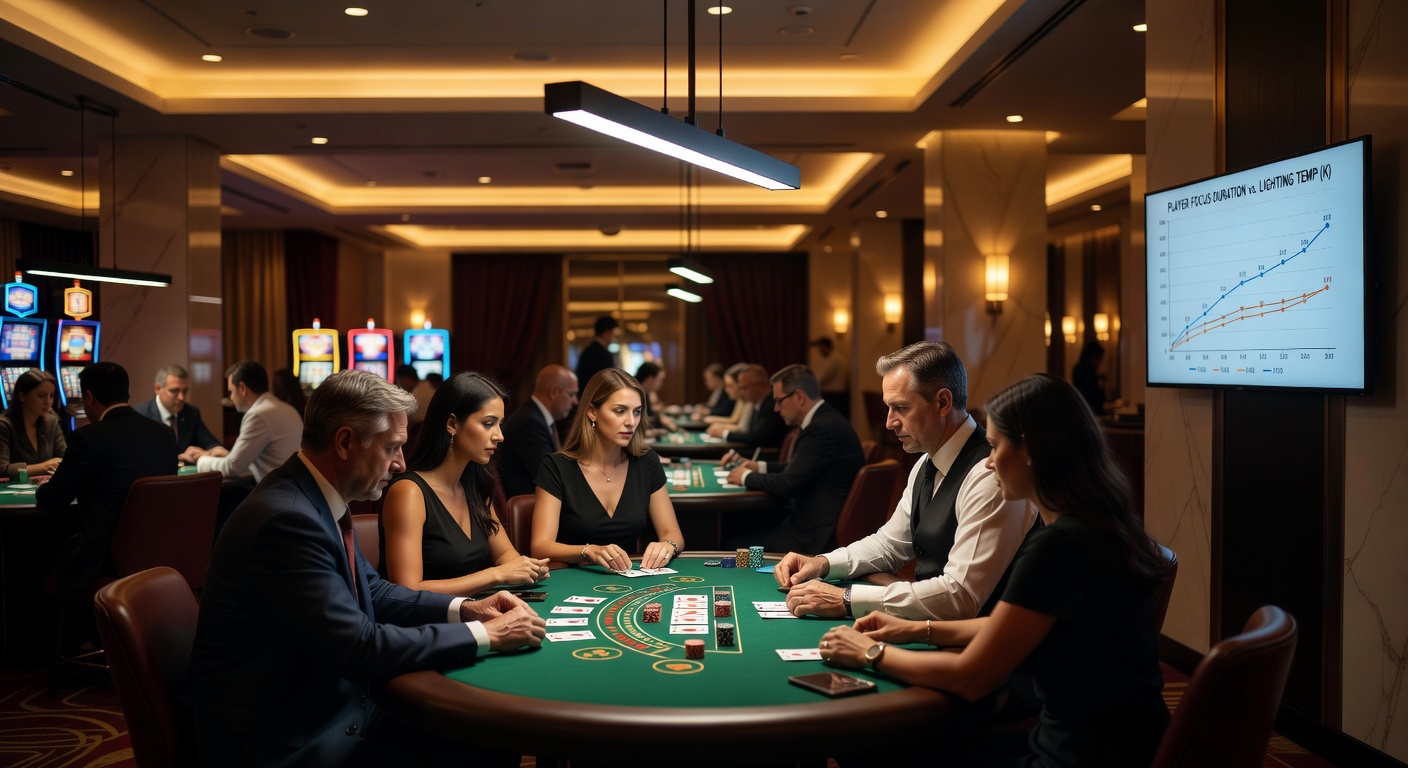
But here's the thing: individual responses vary based on age and prior exposure to casino environments. Younger cohorts in the tracked groups sustained higher betting accuracy under the adjusted conditions while older participants showed smaller differences. Aggregated figures from pit supervisors across three properties indicated that lighting tweaks reduced the frequency of players requesting table minimum reductions mid-session, suggesting steadier engagement levels once visual fatigue factors decrease.
Implementation Approaches in Current Venues
Properties experimenting with these systems typically install LED arrays with separate controls for perimeter and central table zones. Technicians calibrate the fixtures to maintain compliance with local gaming regulations while allowing real-time adjustments during shift changes. A report issued by the Australian Institute of Gaming Research in early 2026 documented similar trials in Macau-linked facilities where operators recorded session data alongside lighting logs; results aligned with North American observations regarding prolonged focus intervals.
Yet practical rollout requires coordination with security camera placements and dealer ergonomics because altered shadows can affect surveillance clarity. Facilities that integrated these changes reported no increase in dispute rates over card handling or payout accuracy, which suggests the adjustments integrate smoothly into existing workflows when properly tested beforehand.
Conclusion
Continued monitoring of lighting variables in blackjack pits supplies operators with concrete metrics on session duration and decision quality. As properties adopt more flexible fixtures, ongoing data collection from regulatory and academic partners will clarify which configurations deliver consistent benefits across diverse player demographics. These investigations remain focused on observable performance indicators rather than broader design preferences.