Community Bingo's Digital Pivot: Tracking Participation Changes After Electronic Upgrades in Rural Venues

Community bingo halls across rural regions have implemented electronic upgrades in recent years, replacing traditional paper cards and manual calling systems with digital terminals and automated draw software. These changes occurred amid broader shifts in leisure activities and technology access in smaller towns. Participation data collected from multiple venues shows measurable adjustments in attendance patterns and session frequency following the installations.
Electronic Systems Replace Traditional Setups
Venues in areas such as the Canadian prairies and parts of the American Midwest began rolling out electronic bingo machines around 2023, with further expansions noted through mid-2026. The new equipment features touch-screen interfaces, real-time number tracking, and integrated payment options that reduce the need for physical daubers and paper sheets. Operators report that these systems cut setup time by roughly half compared with older methods, allowing more sessions per week in the same physical space.
According to figures from the Responsible Gambling Council in Canada, rural sites adopting the technology recorded average increases in weekly player visits ranging from 12 to 18 percent during the first year after installation. The data covers facilities in provinces including Alberta and Saskatchewan where seasonal weather often limits travel options for residents.
Participation Metrics Shift After Installation
Tracking efforts by local gaming associations reveal that electronic upgrades correlate with steadier turnout on weeknights, when paper-based events previously saw lower numbers. In one network of eight rural halls, total registered players rose from approximately 4,200 in January 2024 to 5,150 by July 2026. Evening sessions lasting 90 minutes now accommodate larger groups because digital cards allow simultaneous play across multiple games without additional staff.
Observers note that younger adults between 35 and 50 appear more frequently at upgraded locations, while long-standing participants aged 60 and above continue to attend at similar rates. The introduction of handheld devices that link to central servers lets players move between tables or join remotely from adjacent community rooms, expanding access for those with mobility concerns.
Regional Data Highlights Varied Outcomes
Reports compiled by state-level regulators in the northern United States indicate parallel developments. Venues in Minnesota and North Dakota documented a 9 percent rise in monthly active accounts after switching to electronic platforms, with the largest gains occurring in towns under 5,000 residents. These numbers come from aggregated transaction logs that track card purchases and prize redemptions without identifying individual players.
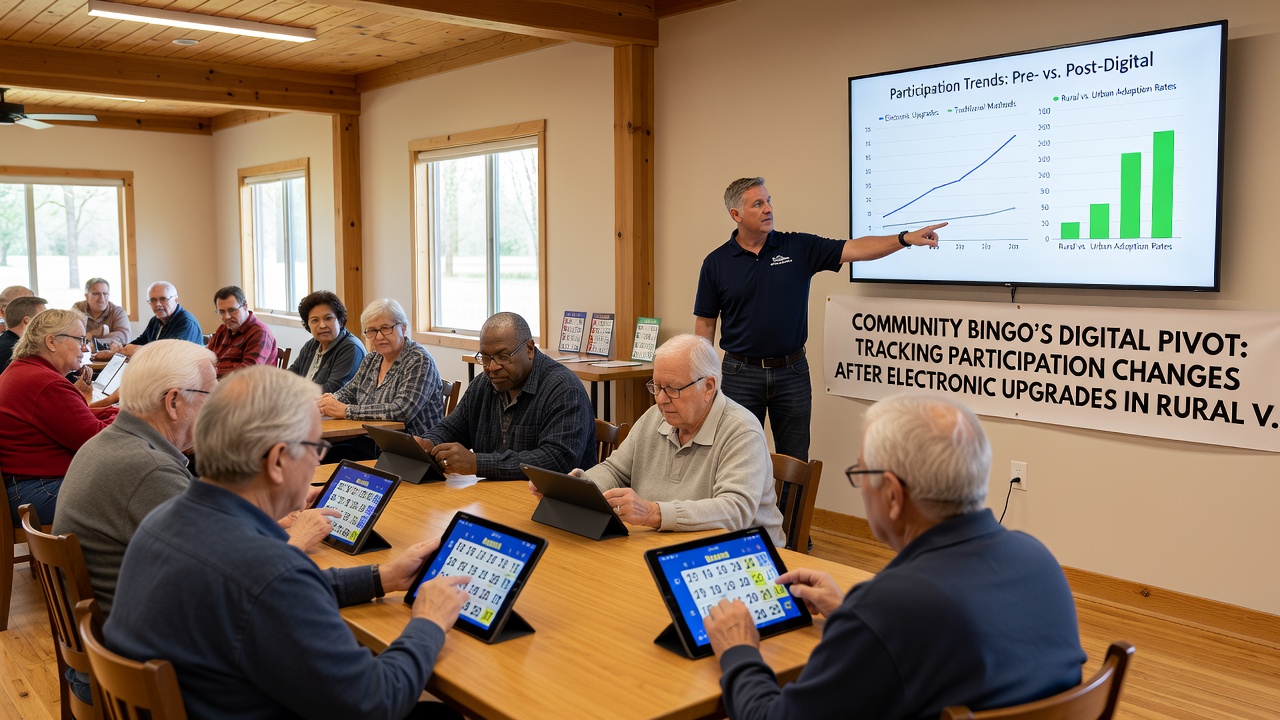
What's interesting is how session length changed. Average time spent per visit increased from 78 minutes under paper systems to 94 minutes with digital terminals, according to logs from three Saskatchewan sites monitored between February 2025 and July 2026. The extended duration ties to features such as instant win side games and progressive jackpots that run alongside the main draw.
Operational Adjustments in Smaller Communities
Staff at rural halls describe reduced errors in number verification and faster payout processing once the software replaced manual checks. One facility in central Alberta reported cutting its volunteer crew from six to four people per shift while maintaining the same number of games. These efficiencies allowed organizers to add a mid-week matinee session that draws an additional 40 to 60 players on average.
Yet connectivity issues surface during peak weather events, when internet reliability drops in remote areas. Several operators installed backup cellular modems to keep terminals running during outages, a step that preserved continuity for scheduled events. Data from the Australian Gambling Research Centre shows comparable infrastructure investments in outback bingo clubs that faced similar network challenges after their own digital transitions.
Conclusion
Electronic upgrades in rural community bingo settings have produced measurable shifts in participation volume, session duration, and demographic reach through July 2026. Aggregated venue records demonstrate consistent patterns of increased attendance alongside operational streamlining, while highlighting the importance of reliable connectivity for sustained performance. Continued monitoring by regional associations will track whether these trends hold as additional halls complete their transitions.