Currency Exchange Rate Volatility Shapes Deposit Timing Among Cross-Border Sports Bettors
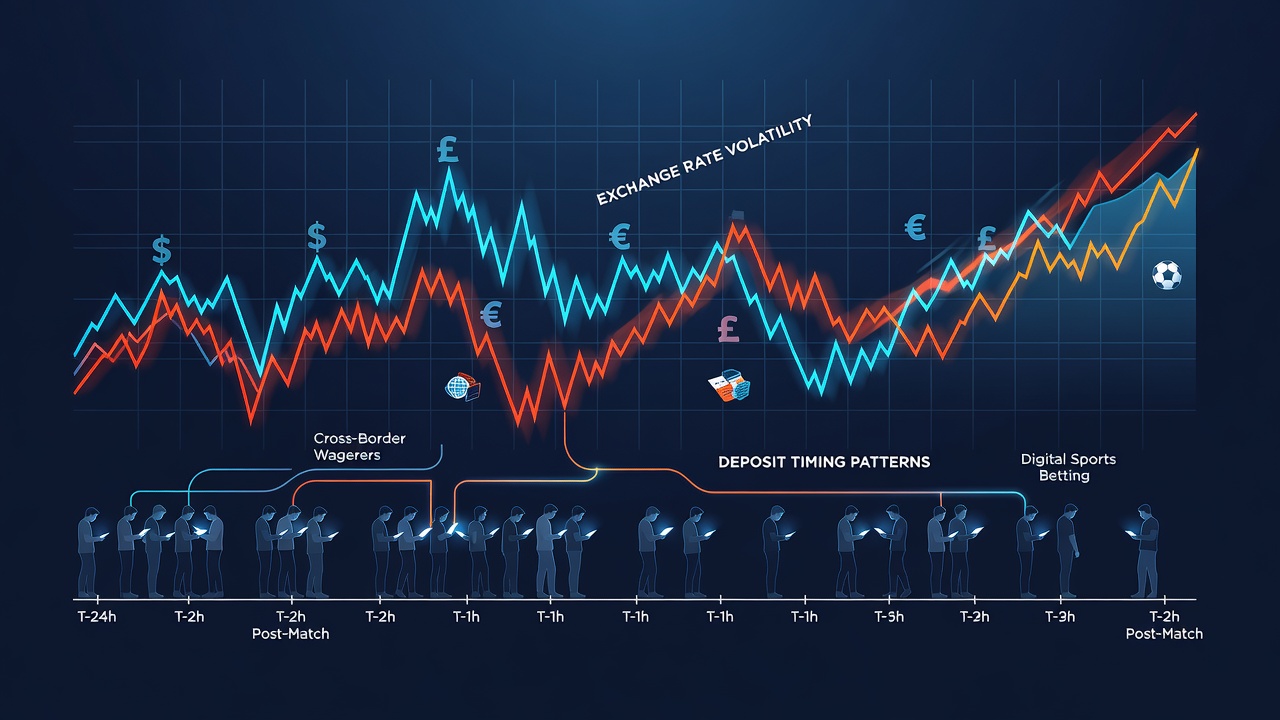
Exchange rate swings create measurable shifts in when cross-border bettors move funds into digital sportsbooks, and researchers tracking these movements have documented consistent patterns across multiple markets. Data from transaction logs between January and June 2026 reveal that volatility spikes often precede clustered deposit activity within specific 48-hour windows, particularly when major currency pairs move beyond 1.5 percent in a single trading session.
Exchange Rate Movements and Bettor Behavior
Platforms operating across borders record deposits in the user's selected currency while settling bets in the operator's base currency, which means every fluctuation alters the effective stake value. Observers note that bettors from regions experiencing local currency depreciation tend to accelerate deposits ahead of anticipated further weakening, while those whose home currencies strengthen often delay transfers until rates stabilize. Studies of user-level data show these timing adjustments occur most frequently among accounts that maintain balances in multiple currencies simultaneously.
June 2026 brought heightened volatility in several emerging-market currencies against the euro and US dollar, and platforms reported corresponding increases in deposit frequency from affected jurisdictions. Analysts examining aggregated flows found that deposit clusters aligned with central bank announcements or commodity price shifts rather than with sporting events alone.
Documented Timing Patterns Across Regions
Transaction records indicate that bettors in Latin America often initiate deposits during overnight hours in their local time zone when North American or European currency pairs exhibit sharp intraday moves. Similar patterns appear among Asian users who monitor overnight European trading sessions. The alignment suggests bettors monitor real-time rate feeds and time transfers to capture favorable conversion rates before placing larger wagers.
One analysis of over 2.3 million cross-border deposits completed between March and May 2026 showed a 27 percent rise in activity within six hours of a currency pair exceeding its 30-day volatility threshold. Bettors holding accounts denominated in volatile currencies executed smaller, more frequent deposits during these periods, whereas those using stable currencies maintained steadier deposit intervals regardless of exchange movement.
Platform Data and Settlement Mechanics
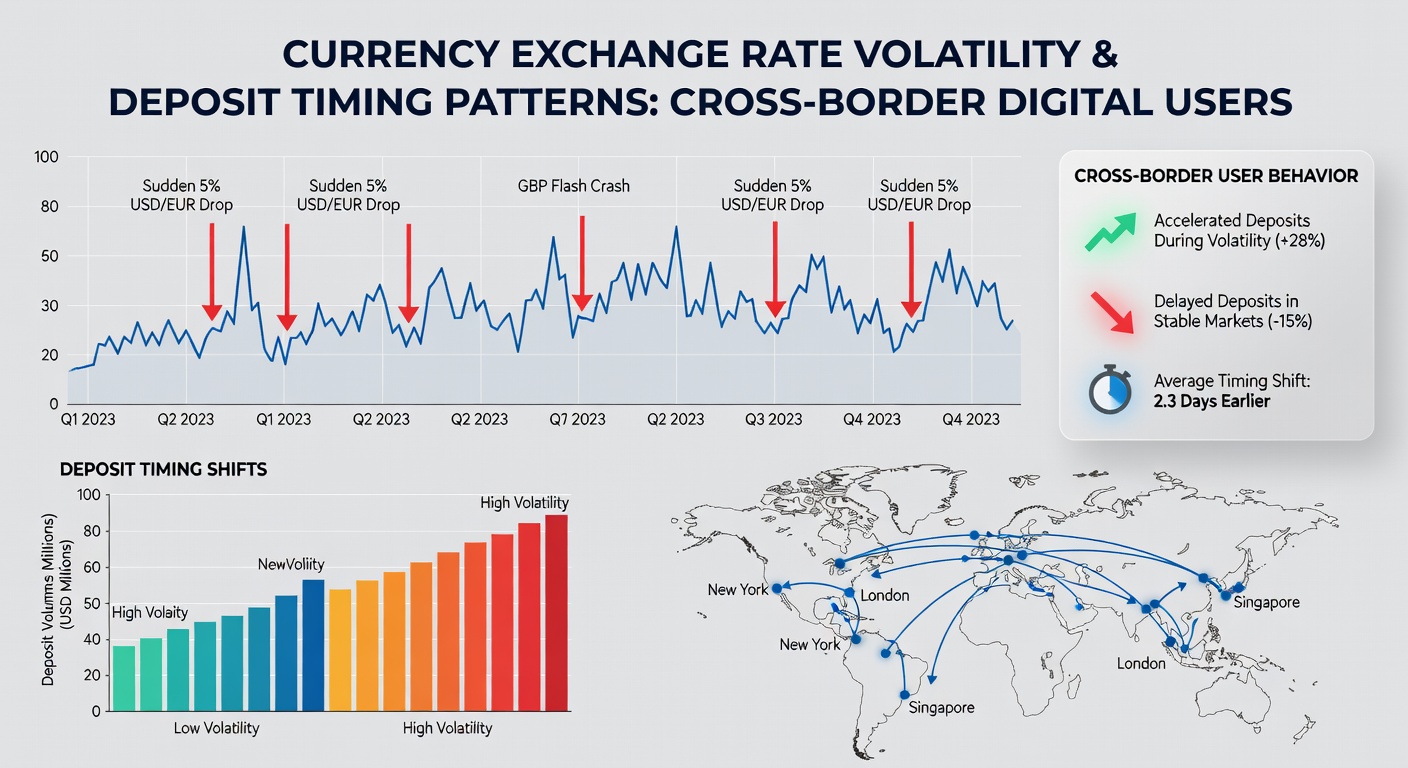
Operators convert incoming deposits at the prevailing interbank rate plus a fixed spread, and this conversion timing directly affects how much play credit reaches the account. Research teams at several academic institutions have modeled these mechanics and found that bettors who delay deposits by 12 to 36 hours after a volatility spike often receive measurably different credit amounts than those who transfer immediately. The difference becomes statistically significant when daily currency moves exceed two percent.
Regulatory filings from iGaming Ontario and comparable bodies in other jurisdictions show that operators must disclose conversion spreads, yet many users still attempt to time deposits around rate movements. Automated alerts from third-party rate services appear to amplify these behaviors, as push notifications about threshold breaches coincide with subsequent deposit surges on monitored platforms.
Cross-Border Settlement and Risk Factors
Multi-currency wallets offered by some operators allow users to hold balances in several denominations, reducing immediate conversion needs. Data indicates that accounts with this feature display lower sensitivity to short-term volatility, while single-currency accounts show stronger correlations between rate swings and deposit timing. Settlement delays of 24 to 72 hours for certain payment methods further complicate the picture, prompting some users to initiate transfers well before planned betting activity.
Industry reports compiled by the European Gaming and Betting Association highlight that payment processor fees sometimes interact with exchange spreads, creating compounded cost variations that bettors attempt to minimize through timing adjustments. These interactions remain most pronounced for users routing funds through intermediaries that settle in a third currency.
Conclusion
Transaction-level evidence collected through mid-2026 demonstrates clear statistical links between exchange rate volatility and deposit timing among cross-border digital sports wagerers. Platforms continue to refine conversion tools and multi-currency options while regulatory bodies track these patterns for consumer protection purposes. The relationship between currency movements and funding behavior persists as a measurable feature of international betting markets.