How Cultural Symbolism in Asian-Themed Slot Machines Shapes Betting Patterns Among Different Demographic Groups
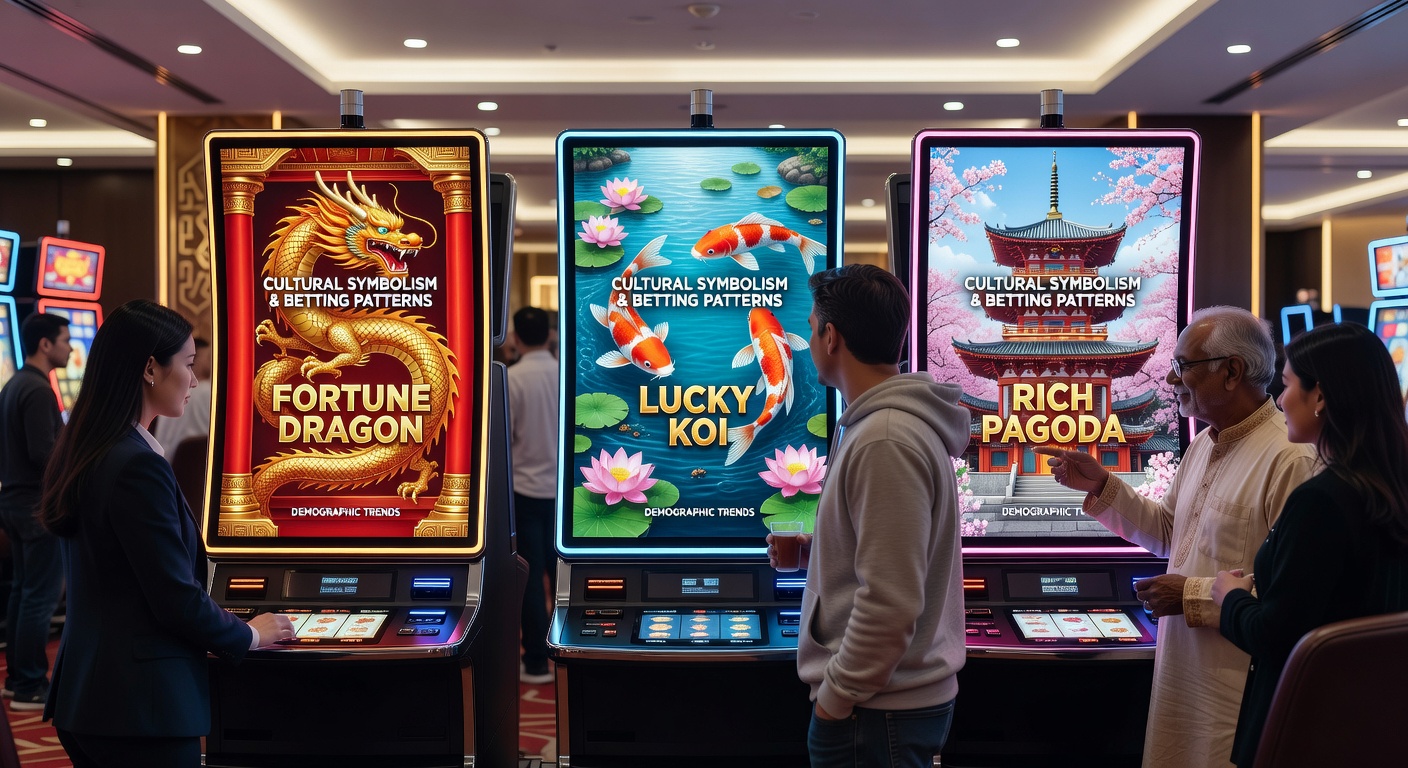
Asian-themed slot machines incorporate symbols such as dragons, koi fish, lanterns, and the number eight that carry specific meanings in various East Asian cultures, and these elements draw attention from players across multiple demographic segments in both land-based and online casinos. Research from industry analysts shows that these symbols trigger recognition among players familiar with the cultural references while creating novelty for others, which in turn influences how long individuals stay engaged and how they allocate their wagers during sessions. Data collected through casino floor tracking systems and online platform analytics indicates measurable differences in bet sizing and game selection when these machines appear in high-traffic areas.
Cultural Symbols and Their Placement in Game Design
Design teams embed traditional motifs into reel layouts and bonus features so that certain combinations align with established beliefs around prosperity and good fortune. The repeated use of red and gold color palettes alongside specific iconography creates visual consistency across titles like those featuring zodiac animals or temple architecture. Observers note that game developers adjust symbol frequency and payout weighting based on market testing conducted in regions with large Asian player populations, yet the same machines appear in international markets where the cultural context differs. Figures from platform providers reveal that bonus rounds triggered by culturally resonant symbols tend to extend average session duration by noticeable margins compared with standard reel spins.
Demographic Differences in Symbol Recognition and Response
Players of East Asian descent often demonstrate quicker identification of auspicious symbols such as the golden dragon or the character for double prosperity, and this recognition correlates with shifts toward higher denomination bets once those symbols appear on active paylines. In contrast, data from North American casino operators indicates that Caucasian and Hispanic players allocate smaller average bets per spin on the same titles unless progressive jackpot meters reach elevated thresholds. Age segmentation further refines these patterns because younger adults aged 21 to 35 show elevated engagement with interactive bonus features tied to lantern or festival themes, whereas older cohorts maintain steadier wagering regardless of symbol alignment. Gender breakdowns from aggregated reports suggest female players across groups extend playtime when machines include softer visual elements such as cherry blossoms or flowing water animations alongside the core icon set.
Betting Behaviors Observed in 2026 Data Sets
Tracking reports compiled through May 2026 from multiple U.S. jurisdictions illustrate that Asian-themed titles account for a disproportionate share of total slot handle in markets with diverse visitor demographics. Players identifying with relevant cultural backgrounds place larger average wagers during peak evening hours when symbol-triggered bonuses occur more frequently, while tourists from outside those backgrounds concentrate bets during shorter daytime visits. Platform operators have documented increased migration toward these games following promotional campaigns that highlight cultural authenticity, although the effect dissipates once initial novelty wears off. Researchers examining online play logs find that mobile users from Southeast Asian countries exhibit higher repeat login rates on machines featuring localized festival imagery compared with generic versions of the same mathematics model.
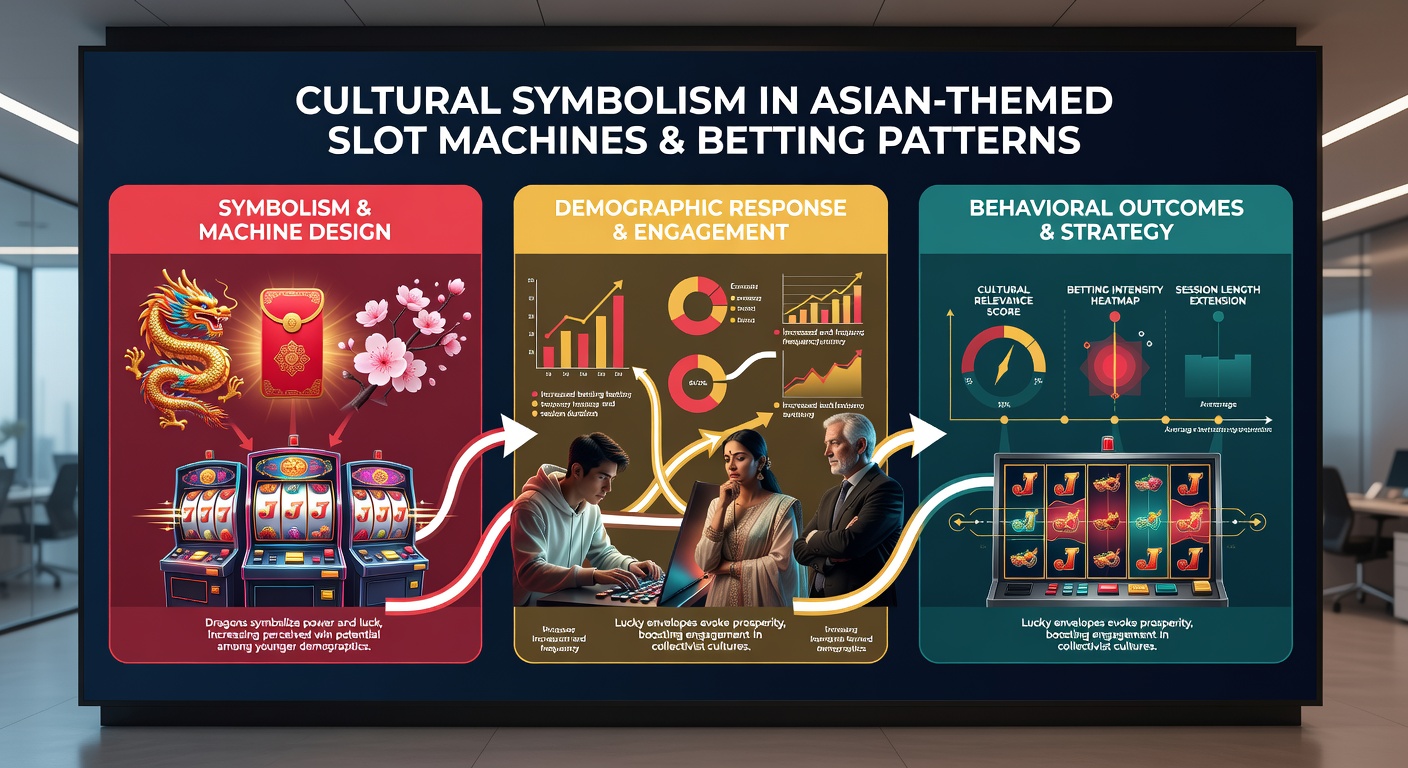
Additional analysis separates results by income brackets and shows that middle-income players adjust bet sizes upward when culturally familiar symbols land near win lines, whereas high-income players maintain consistent stake levels irrespective of iconography. Low-income segments display shorter overall sessions but demonstrate concentrated betting bursts immediately following symbol-driven near-miss events. These patterns hold across both physical casino floors and remote platforms where geo-location data allows demographic cross-referencing.
Regulatory and Market Context Influencing Symbol Usage
Authorities in jurisdictions such as those overseen by the Nevada Gaming Control Board maintain records of machine configurations that include requirements for transparent probability disclosure, yet cultural symbolism itself falls outside direct regulatory scope. Industry associations including the American Gaming Association compile comparative data showing regional variations in machine popularity that align with local population demographics. A report from the American Gaming Association highlights how operators in states with growing Asian-American communities have expanded their Asian-themed offerings since 2024. Meanwhile, academic studies from institutions such as the University of Macau document parallel trends in Asian markets where players respond to symbols drawn from local folklore with distinct wagering adjustments. These findings underscore the interplay between visual design choices and observable player conduct without implying causation beyond the collected metrics.
Conclusion
Patterns emerging from casino analytics and academic examinations demonstrate that cultural symbolism embedded in Asian-themed slot machines correlates with distinct betting adjustments across demographic categories defined by ethnicity, age, gender, and income. Data sets extending into 2026 continue to capture these variations through both floor-based and digital tracking methods. Operators and researchers alike rely on such information to refine machine placement and feature development while adhering to existing regulatory frameworks that prioritize transparency in game mathematics. Continued monitoring of these trends provides ongoing insight into how visual and thematic elements interact with player decision-making across varied market environments.