Mapping Player Migration Patterns Between Virtual and Land-Based Betting Platforms
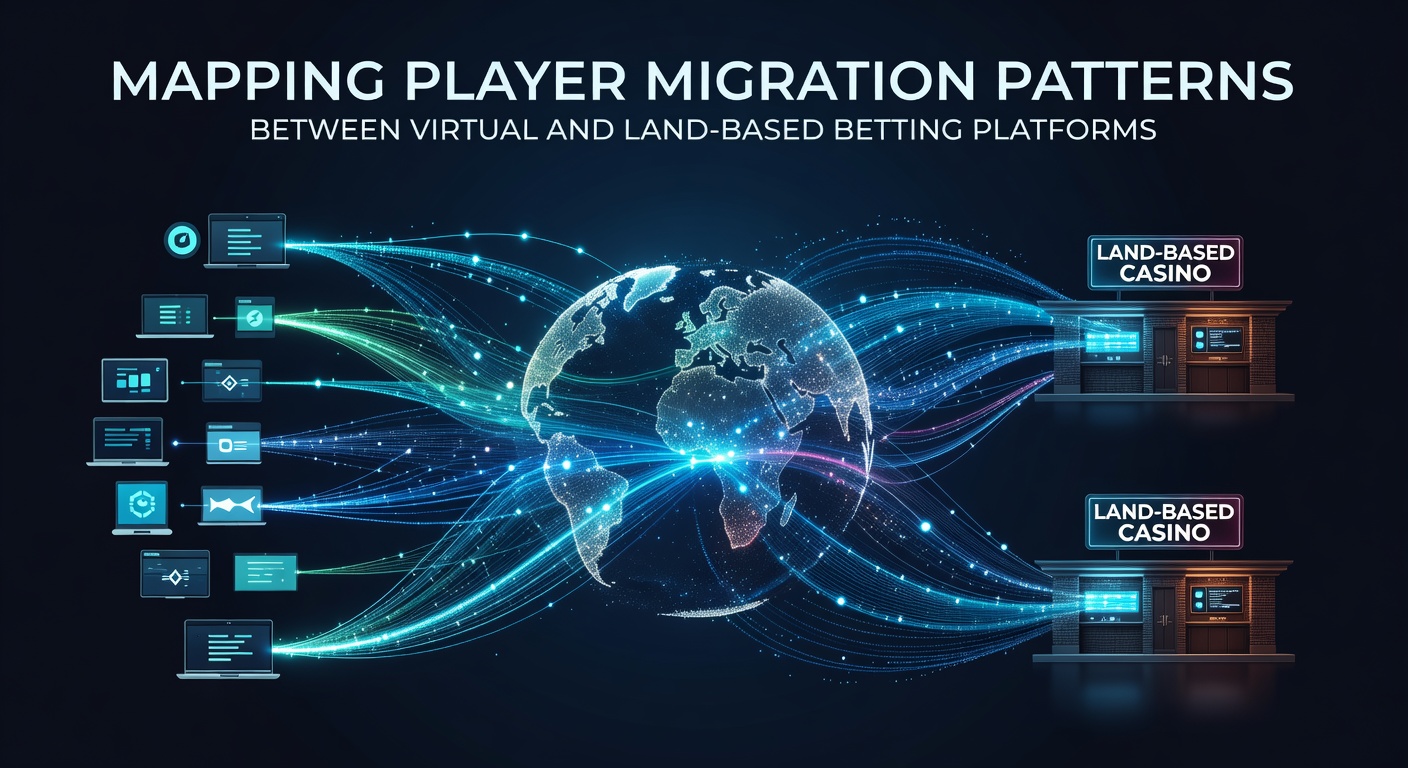
Player migration between virtual betting sites and land-based casinos has become a defining feature of the gambling industry in 2026, with data from May showing clear shifts in how participants move across these environments. Researchers tracking these patterns note that many users begin sessions on digital platforms before transitioning to physical venues, while others reverse the flow based on specific triggers like promotions or location changes.
Studies conducted across multiple jurisdictions reveal that convenience drives initial online engagement, yet social elements pull participants toward brick-and-mortar locations during peak seasons. Data indicates a 12 percent increase in cross-platform activity since early 2025, with analysts attributing this rise to integrated loyalty programs that reward activity across both formats.
Current Trends Observed in May 2026
Figures released in May 2026 highlight steady growth in hybrid participation, where individuals split time between apps and casino floors. According to reports from the American Gaming Association, hybrid users now represent nearly 35 percent of total active bettors in regulated markets, up from 28 percent the previous year. This shift appears most pronounced in states with expanded sports betting options, where digital interfaces serve as entry points that later lead to in-person visits.
Observers note that migration spikes occur around major sporting events, when virtual platforms handle initial wagers before users seek communal viewing experiences at physical sites. One longitudinal study followed 2,400 participants over six months and found that 62 percent alternated between formats at least once per quarter, often citing better odds online alongside the atmosphere of land-based venues.
Key Factors Driving Platform Shifts
Regulatory changes and technological integrations play central roles in these movements. Mobile app updates that sync rewards with casino membership cards have reduced friction, allowing seamless transitions without separate sign-ups. Data from the New Jersey Division of Gaming Enforcement shows that players using linked accounts increased their overall activity by 19 percent compared to single-platform users during the first quarter of 2026.
Geographic considerations also influence patterns. In urban areas with dense casino clusters, land-based visits rise during evenings and weekends, while rural participants lean more heavily on virtual options due to limited access. Australian research from the Centre for Gambling Research at the Australian National University documented similar divides, where distance from physical venues correlated strongly with higher digital usage rates.
Regional Variations and Data Insights
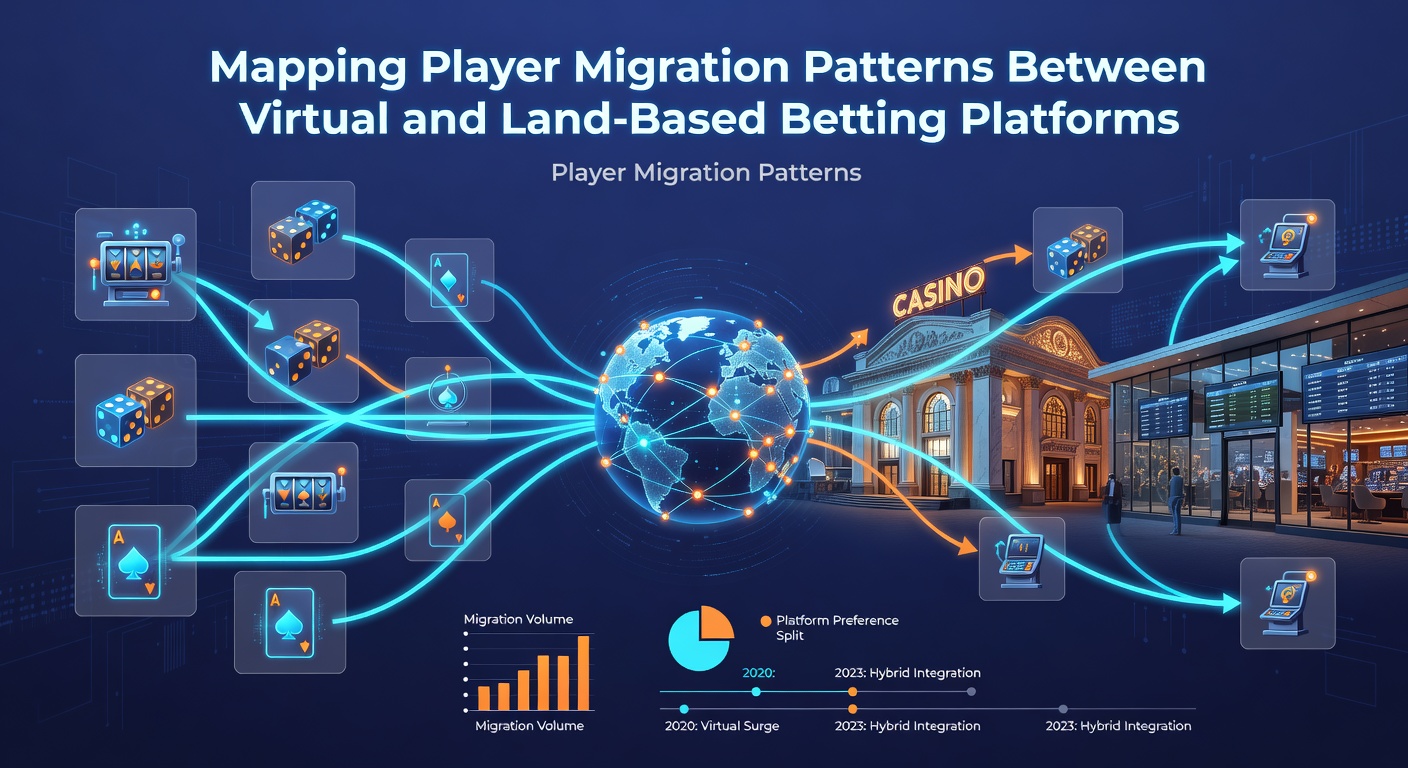
North American markets display distinct migration rhythms compared to other regions. In Canada, provincial data collected through 2026 indicates that Ontario residents migrate toward land-based facilities more frequently during summer months, while digital engagement dominates winter periods. European markets show parallel trends, though with stronger emphasis on regulatory compliance tools that track cross-border activity.
What's interesting is how payment methods accelerate these flows. Integrated wallets that function across both online and casino environments cut transaction times, encouraging users to move funds fluidly. Industry reports reveal that participants using such systems complete 1.8 times more sessions per month than those relying on separate banking channels.
Take one analysis of transaction logs from major operators, which revealed that deposit patterns often precede venue visits by 48 to 72 hours. This timing suggests planning behavior where users research and fund accounts digitally before committing to physical trips.
Technological Tools Mapping These Movements
Advanced analytics platforms now aggregate anonymized data to chart migration routes with greater precision. Heat maps generated from geolocation signals and login timestamps illustrate corridors between specific apps and casino properties, helping operators anticipate demand. These tools rely on aggregated statistics rather than individual tracking to maintain privacy standards.
Research indicates that artificial intelligence models can predict migration likelihood with 78 percent accuracy when fed variables like session duration, wager size, and historical venue preferences. Operators applying these models have adjusted staffing and promotional calendars accordingly, aligning resources with expected influxes from digital channels.
Conclusion
Mapping player migration patterns between virtual and land-based betting platforms continues to evolve as technology and regulations intersect. Data gathered through May 2026 demonstrates consistent movement driven by convenience, social factors, and integrated systems rather than isolated preferences. Industry organizations and academic researchers alike emphasize the value of these insights for understanding broader participation trends across regulated markets worldwide.