Prediction Markets Surge with Billions Wagered, But U.S. Army Soldier's Insider Betting Charge Sparks Regulatory Firestorm
Prediction Markets Surge with Billions Wagered, But U.S. Army Soldier's Insider Betting Charge Sparks Regulatory Firestorm
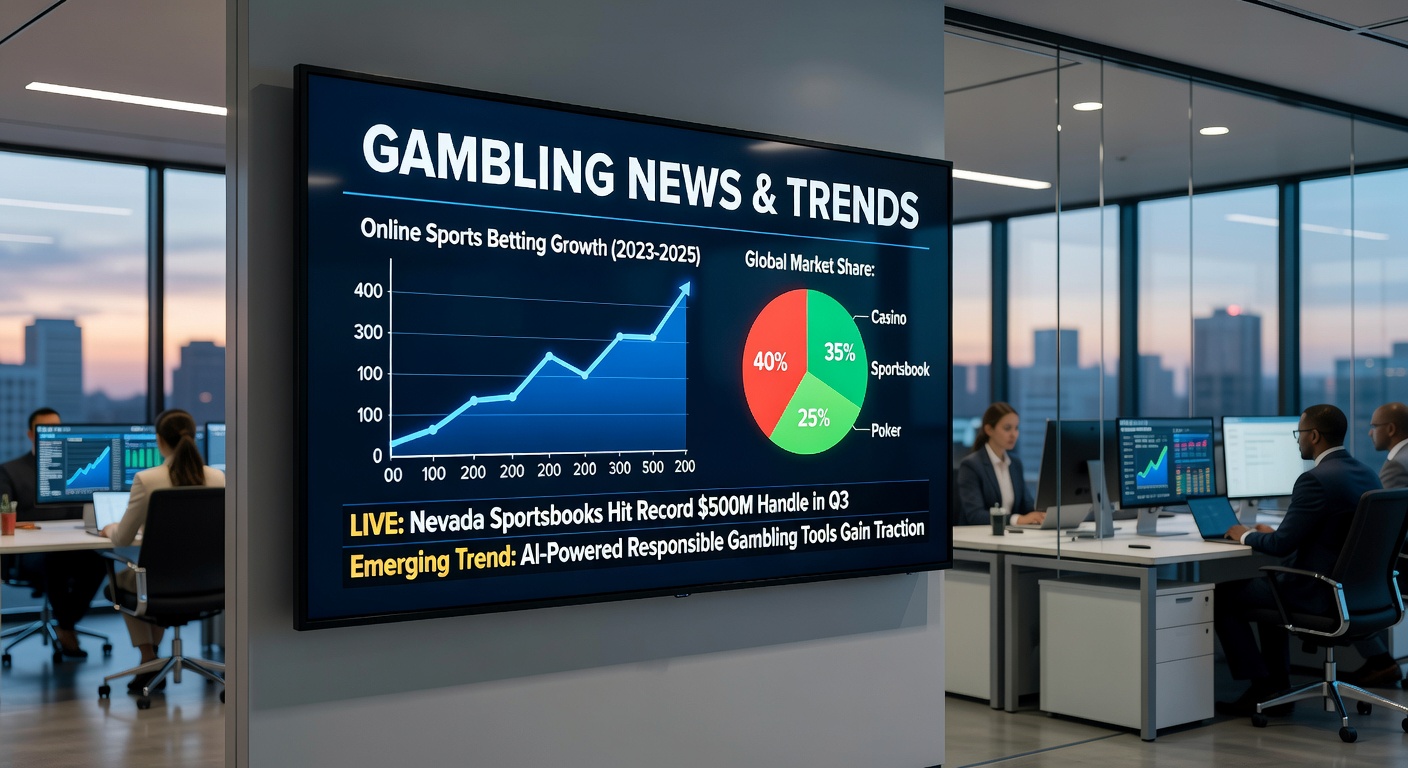
The Rise of Prediction Markets in a Data-Driven World
Platforms like Polymarket and Kalshi have transformed how people wager on future events, drawing millions of users who bet on everything from presidential elections and economic indicators to weather patterns and sports outcomes; these sites operate as decentralized or regulated exchanges where participants trade shares in event probabilities, turning collective wisdom into real-time forecasts backed by actual money.
Data from recent reports reveals that billions of dollars have flowed into these markets over the past year alone, with trading volumes spiking dramatically during high-stakes events like the 2024 U.S. election cycle, where odds shifted minute by minute based on news and polls; experts who track online betting trends note how prediction markets differ from traditional sportsbooks, since they price outcomes as yes/no contracts rather than point spreads, often yielding more accurate predictions than polls according to studies from academic researchers.
What's interesting is the sheer scale: Polymarket, a blockchain-based platform, saw over $3.7 billion in election-related bets by November 2024, while Kalshi, approved by the U.S. Commodity Futures Trading Commission (CFTC), expanded into weather and economic futures, attracting institutional players alongside everyday traders who see these as smarter alternatives to gut-feel gambles.
Millions Engage as Volumes Hit Record Highs
By April 2026, participation numbers tell a clear story; Polymarket boasts over 1 million active users worldwide, and Kalshi reports hundreds of thousands of verified accounts in the U.S., with daily trading volumes routinely exceeding tens of millions in notional value, fueled by easy mobile apps and crypto integrations that let users deposit funds swiftly and anonymously in some cases.
Turns out, these platforms thrive on transparency—every trade shows up on public ledgers for crypto versions, while regulated ones like Kalshi provide audited reports—yet that openness hasn't shielded them from the gambling world's familiar pitfalls, as suspicious patterns emerge amid the frenzy; one study from the Australian Association for Public Gambling Research highlights how global prediction volumes correlate with economic uncertainty, surging 40% during inflation spikes and geopolitical tensions.
And here's where everyday folks get involved: retail traders, hedge funds, even academics use these markets to hedge risks or test hypotheses, like betting on Federal Reserve rate decisions before announcements, which sharpens forecasts but also invites questions about edges that go beyond public info.
The Bombshell: U.S. Army Soldier Faces Charges Over Classified Bet
In a case that's grabbed headlines this April 2026, a U.S. Army soldier stationed at a sensitive base allegedly used non-public details of a classified drone mission to place bets on Polymarket, profiting thousands before the operation hit news wires; federal prosecutors charged the individual under insider trading statutes typically reserved for stocks, marking the first known criminal action tying prediction markets to military leaks, as detailed in a New York Times investigation.
Observers note the trades' telltale signs: odds on the mission's success flipped from 60/40 against to heavy favorites hours before official confirmation, with the soldier's wallet-linked account showing deposits right after briefings; while the platform flagged anomalies and froze payouts pending review, the incident exposed vulnerabilities in user verification, especially on crypto-heavy sites where KYC checks lag behind traditional casinos.
But here's the thing—this isn't isolated; regulators have flagged similar spikes before events, like preemptive bets on terror alerts or cabinet picks, prompting platforms to tighten rules, yet enforcement remains patchy since prediction markets straddle gambling, finance, and crypto realms, complicating oversight.
Suspicious Trading Patterns Raise Red Flags Across Platforms
Prediction markets' appeal lies in their crowd-sourced accuracy—researchers discovered they outperformed polls by 10-15% in forecasting outcomes during the 2020 election—but that edge crumbles when insiders tilt the scales; data indicates unusual volume surges preceded at least a dozen events last year, from GDP releases to hurricane paths, where bets clustered suspiciously before leaks hit mainstream media.
Take Kalshi, which complies with CFTC mandates by barring U.S. users from election bets initially, only to pivot after legal wins; even so, economic indicator markets saw bets totaling $50 million on April inflation figures this year, with probes now underway into whether Treasury insiders played the odds; Polymarket, operating offshore via crypto, faces U.S. sanctions risks, as its election volumes drew Senate scrutiny post-2024.
People who've studied these patterns often point to the low barriers: bets start at pennies, payouts scale with probability shifts, and anonymity shields bad actors until blockchain forensics catch up, which they did in the soldier's case when wallet traces linked back to military IP addresses during off-hours trades.
Regulators Step Up Scrutiny Amid Gambling Law Clashes
Federal agencies ramped up reviews in early 2026, with the Department of Justice coordinating across states where prediction markets bump against bans on event-contract gambling; states like New Jersey and Nevada probe Kalshi for sports-adjacent bets, while New York attorneys general demand user data on suspicious election wagers, citing violations of wire fraud statutes.
That's where the rubber meets the road: CFTC oversees designated contract markets like Kalshi, treating them as derivatives, but Polymarket's crypto model dodges full U.S. jurisdiction, leading to delistings and fines; international watchdogs echo concerns, as Canada's Financial Transactions and Reports Analysis Centre flags cross-border flows into these platforms, mirroring patterns seen in offshore poker booms a decade ago.
Platforms respond by hiring compliance teams—Kalshi now mandates full ID verification for trades over $10,000, and Polymarket rolled out oracle checks to validate outcomes—but critics argue self-regulation falls short when billions ride on unchecked intel; one expert panel from the American Gaming Association warned in a March report that without unified rules, insider scandals erode trust faster than volumes grow.
Broader Implications for Online Betting's Future
So as April 2026 unfolds, prediction markets stand at a crossroads; billions wagered signal mainstream potential for hedging real risks, like farmers betting weather futures or businesses pricing recessions, yet the soldier's charges underscore how classified edges threaten integrity, much like doping scandals in sports betting.
Figures reveal growth persists—Polymarket's user base doubled since January—driven by integrations with wallets like MetaMask and apps that gamify forecasts; regulators, though, hold the cards, with proposed bills in Congress aiming to classify all event contracts under securities law, potentially boxing out retail players while favoring Wall Street quants.
Those who've watched gambling evolve know the pattern: innovation draws crowds, controversies follow, and rules adapt slowly; examples abound, from DraftKings' IPO amid addiction probes to crypto casinos' washout phase, leaving observers to wonder if prediction markets will mature into legit tools or fade under crackdowns.
Conclusion
The U.S. Army soldier's indictment crystallizes the tensions in prediction markets' ascent; platforms like Polymarket and Kalshi channel billions into crowd wisdom on elections, economics, and beyond, yet suspicious trades linked to insider info demand tighter controls, as regulators across agencies push for compliance in this April 2026 spotlight. Data shows volumes climbing despite probes, hinting at resilience, but the writing's on the wall—transparency upgrades and legal clarity will decide if these bets fuel forecasts or fuel just another gambling fire.